The Importance of Closed Loop Systems In An Industrial Washer
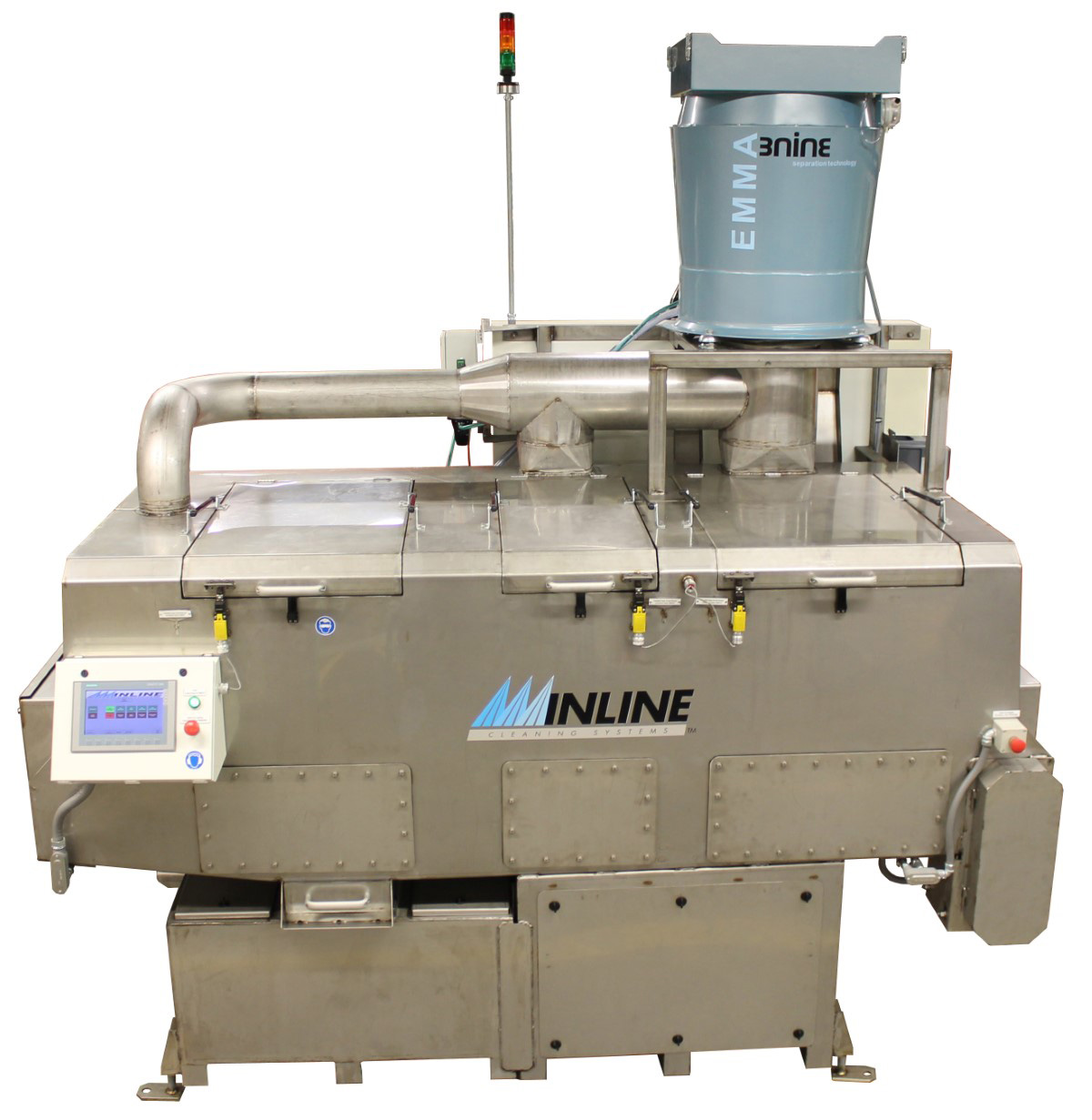
Sustainability and cost-efficiency are driving forces in modern manufacturing, making the closed-loop design of an Industrial Washer a critical feature. A closed-loop system is designed to recycle water and chemical solutions, significantly reducing the volume of waste generated and the amount of fresh water consumed. Instead of constantly draining used fluid, the system filters and rejuvenates it, returning it to the wash tank for reuse. This approach not only supports environmental goals but also drastically cuts utility bills and chemical purchasing costs.
The mechanics of a closed-loop system involve sophisticated filtration and separation technologies. As the cleaning solution circulates, it passes through filters that remove particulate matter and oil skimmers that separate grease. This continuous purification process maintains the effectiveness of the detergent for a much longer period. By keeping the fluid clean and hot, the machine operates at peak efficiency without the downtime associated with frequent "dump and fill" maintenance cycles.
Sustainable Design In A Parts Washer
Implementing a closed-loop Parts Washer is a practical step toward a greener facility. It minimizes the discharge of hazardous wastewater, simplifying regulatory compliance and reducing the burden on municipal treatment systems.
Filtration Technologies For Fluid Reuse
Effective reuse relies on removing contaminants that would otherwise redeposit on parts. Technologies such as bag filters, cartridge filters, and magnetic separators are employed to trap debris of various sizes.
Energy Savings From Recirculation
Heating large volumes of water requires significant energy. By recirculating already-heated water, the system only needs to maintain the temperature rather than heating cold tap water from scratch, leading to substantial energy savings.
Maximizing Efficiency With The Industrial Washer
Beyond environmental benefits, closed-loop systems enhance the operational stability of the cleaning process. Consistent fluid quality leads to consistent cleaning results, reducing the variability that can cause quality control issues.
Reducing Chemical Consumption
Since the detergent is retained and reused rather than flushed away, the total consumption of cleaning chemicals drops. This is a direct cost saving that accumulates rapidly in high-volume operations.
Minimizing Water Treatment Costs
Disposing of industrial wastewater is expensive and strictly regulated. By recycling water internally, the volume of waste requiring expensive hauling or treatment is minimized, protecting the company's bottom line.
Key Components Of Closed Loop Systems
A robust closed-loop design relies on several integrated technologies.
- Multi-stage filtration to remove solids.
- Oil coalescers or skimmers to remove grease.
- Recirculating pumps for continuous flow.
- Insulated tanks to retain heat energy.
- Level sensors to manage fluid makeup.
- Process controls to monitor fluid quality.
Conclusion
The shift towards closed-loop industrial washers is a testament to the industry's focus on efficiency and responsibility. These systems offer a win-win scenario: they protect the environment by conserving resources and they protect the manufacturer's budget by reducing operating costs. The technology allows for continuous, high-quality cleaning without the wasteful practices of the past.
Ultimately, a closed-loop system is a hallmark of a modern, well-engineered washing solution. It demonstrates a commitment to sustainable manufacturing while delivering the rigorous cleaning performance required by industry. For any company looking to upgrade their cleaning capabilities, prioritizing water and energy conservation through closed-loop design is a smart and forward-thinking choice.