How Does Coastal Salt Air Corrosion Impact the Chandelier Removal Process in Palm Beach Estates?
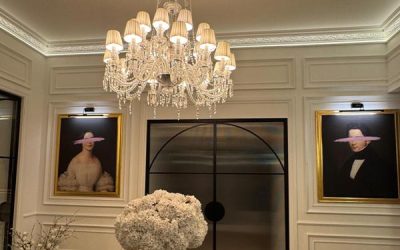
The sweeping oceanfront properties along the Palm Beach coastline showcase brilliant luxury architecture and stunning, light filled interiors. While proximity to the Atlantic Ocean provides an idyllic lifestyle, the local marine climate introduces harsh environmental elements. Over the years, the salty coastal air reacts with interior metal structures, creating hidden mechanical complications when it comes time to take a fixture down.
Uncoupling Corroded Structural Support Chains and Bolts
The continuous presence of microscopic salt particles in the air accelerates the oxidation process on metal surfaces, even inside climate controlled luxury homes. When executing a chandelier removal in an older coastal estate, technicians frequently discover that the structural support hooks, threaded rods, and safety steel cables have suffered from deep corrosion.
This rust can cause the metallic threads to lock together permanently. Forcing a rusted bolt open with standard tools can snap the support structure entirely, causing an immediate drop hazard. Specialists utilize specialized penetrating lubricants and precise extraction tools to release the corroded bonds without placing violent shock loads on the ceiling framework.
Handling Brittle Glass Elements Weakened by Heat and Salt
The combination of high electrical heat output from multiple active bulbs and the ambient coastal humidity can cause vintage glass arms and crystal pins to become highly brittle over time. A fixture that looks perfectly solid while hanging can easily crack when physical pressure is applied during disassembly.
Removal specialists wear soft, high grip white cotton gloves to distribute physical pressure evenly across the glass surfaces. They avoid applying any twisting force to the glass arms, ensuring that every fragile component is separated without fracturing.
Securing the Exposed Ceiling Void After Extraction
Once the heavy light installation has been safely lowered and crated, the job is not quite finished. The removal team must properly manage the remaining live electrical wires and the structural hole left in the ceiling. Technicians carefully insulate the copper wire ends with secure terminal caps and place them safely inside an approved junction box. They install a clean, paint ready cover plate over the opening, leaving the ceiling safe, clean, and fully prepared for your next beautiful interior design choice.